Baybayin Tuklasin
Exploring the Ancient Script of the Philippines
In partnership with the London Filipino Centre's Baybayin Buhayin movement
What is Baybayin?
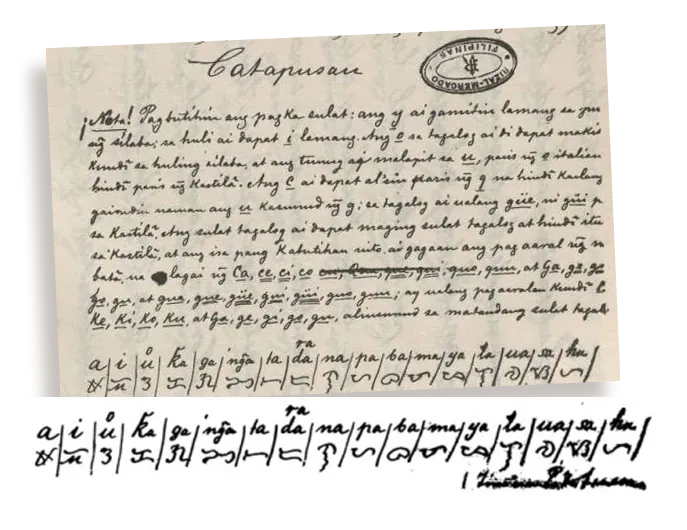
Baybayin is a pre-colonial writing system of the Philippines for the Tagalog dialect. Its name translates to "to spell" or "to syllabicate", reflecting its core nature as an alphasyllabary.
Each character represents a consonant-vowel pair (an Abugida), modified by small diacritics called kudlit to change the vowel sound. A cross-mark (krus kudlit or virama) cancels the vowel entirely.
The golden rule: "Kung ano ang bigkas, siyang baybay."
How it is pronounced is how it shall be spelled.
Writing Rules · B17+
Basahin ang karunungang-bayan
Read the wisdom of the people. Each saying appears in Baybayin first, the way it was meant to be read. Tap a card to reveal its romanization and meaning.
Baybayin Tuklasin is a free, independent project, in partnership with the London Filipino Centre's Baybayin Buhayin movement. If it has helped you read or write a little of the script, you can keep it going with a coffee.
Buy me a coffee · ko-fi.com/heyitstriniA Script Born
Before Colonisation
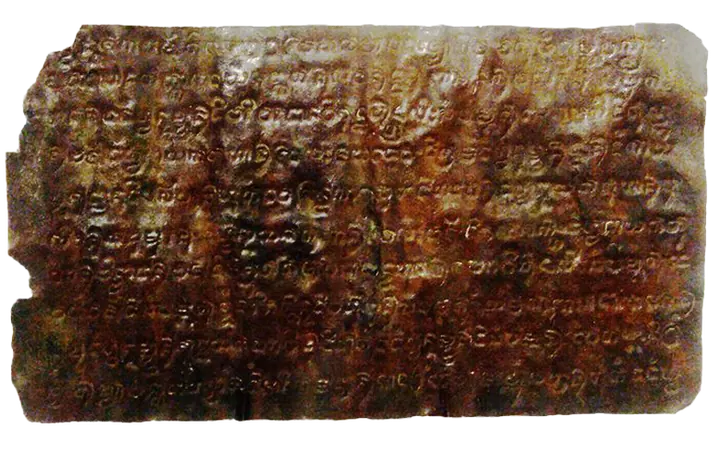
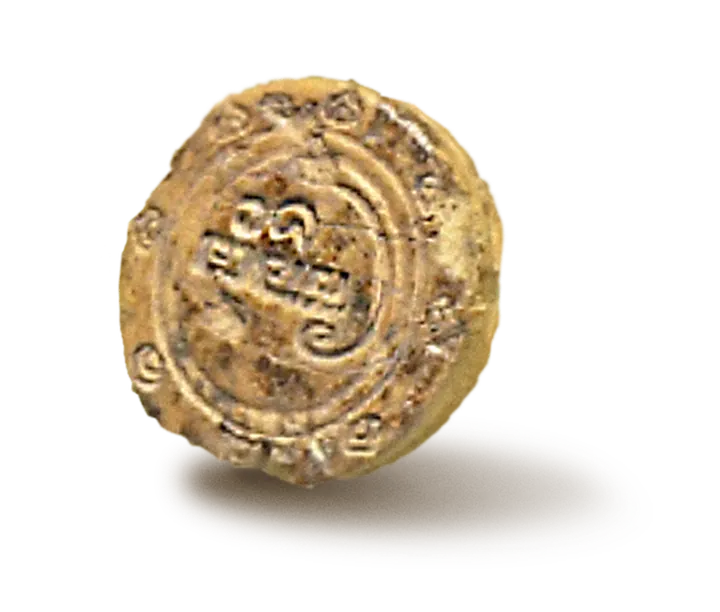
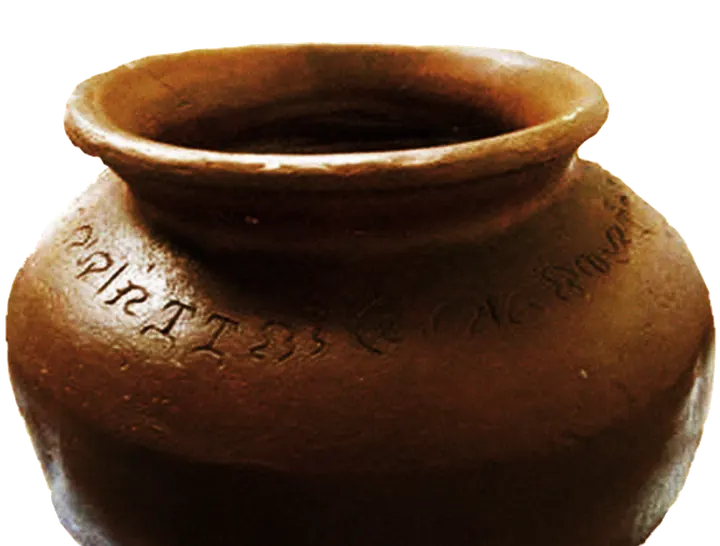
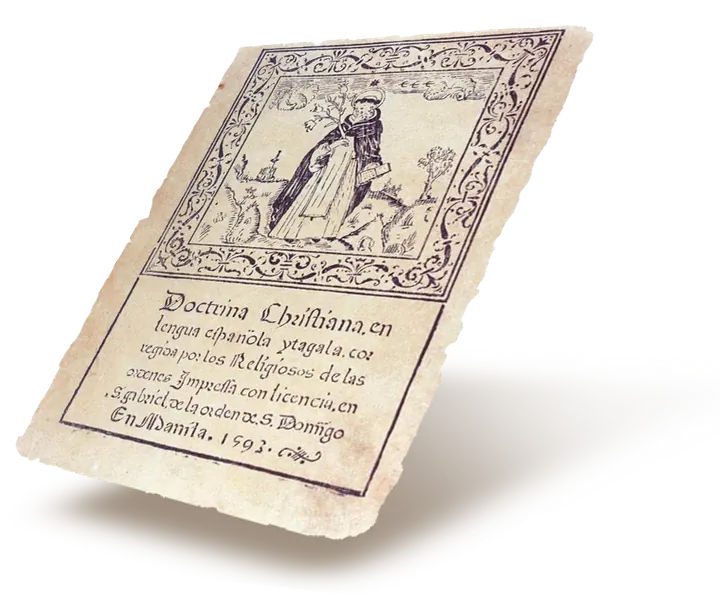
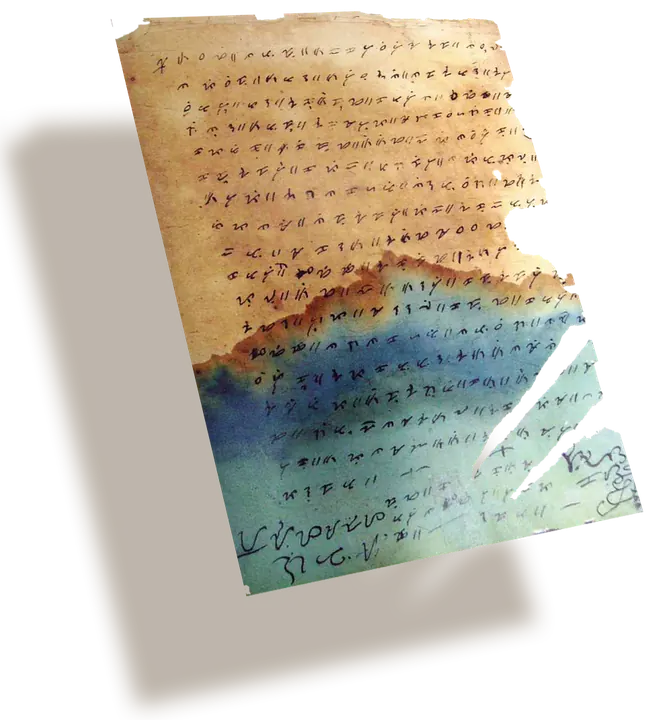
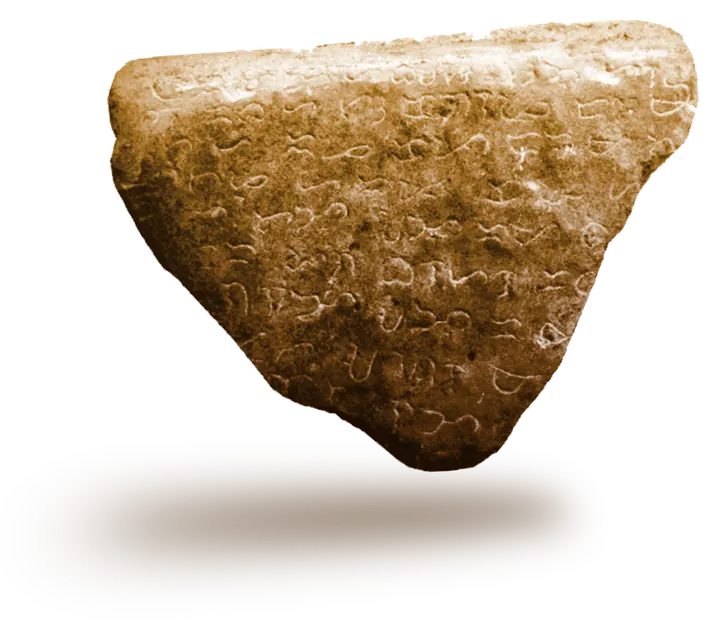
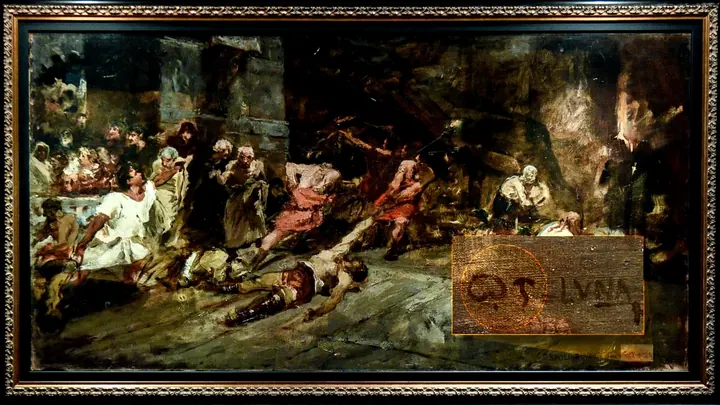
When the Spanish arrived, they found a people who could already read and write. Two of their own chroniclers said so in print.
"So accustomed are all these islanders to writing and reading that there is scarcely a man, and much less a woman, who can not read and write in the letters proper to the island of Manila."
Fr. Pedro Chirino, S.J. · Relación de las Islas Filipinas · 1604
"All the natives, women as well as men, write in this language, and there are very few who do not write well and correctly."
Dr. Antonio de Morga · Sucesos de las Islas Filipinas · 1609
The 17 Characters of B17+
B17+ is the modern Baybayin set: the 17 core characters completed by the krus kudlit, the cross-mark that lets a consonant close a syllable.
Seventeen characters,
five shapes
Look closely and the whole syllabary grows from five parent strokes. Learn to draw these five and every character becomes a variation you already know. Each form carries a name: two major, three minor.
The five-form framework is the work of John NL Leyson, Anatomya ng Baybayin; his chart groups sixteen characters and the marks, leaving to stand on its own. Glyphs shown in the Haraya typeface.
Modifying
Character Sounds
Type in Filipino,
See Baybayin
Tingnan kung paano nabubuo sa Baybayin ang mga salitang Filipino. Type a word and watch it transform — or paste Baybayin to read it back.
Practice Writing
in Baybayin
Piliin ang abugida, sundan ang mga numero, at bakatin ang mga guhit gamit ang iyong daliri. Choose a character, follow the numbered strokes, and trace each line with your finger.
A Slate for
Your Own Hand
Sumulat ng Baybayin nang malaya — gamit ang daliri, panulat, o mouse. Type a word to summon a faint guide, trace over it, then hide the guide and write on your own. Isang malinis na pisara para sa iyong kamay.
Subukan ang
Baybayin
Pumili ng hamon para sa iyo · Choose your challenge.